cleaning 2.0
cleaning and care - for textiles too
Textiles are some of the most hardworking materials in our homes - from wool sweaters and linen cushions to rugs, throws, and upholstery. But many modern detergents strip fibers, leaving them dry, fragile, or coated with synthetic residue. We believe cleaning should protect your textiles, not wear them down. The things we love should last.
Linseed oil soap does exactly that. When you wash with it, the natural fatty acids don’t just remove dirt and grease - they also help replenish and balance the fibers. Wool becomes softer and more resilient, cotton stays breathable, and natural fibers regain their gentle, lived-in texture. Your textiles stay clean while keeping the integrity and feel that made you choose them in the first place.

Why Linseed Oil Soap for Textiles?
Linseed oil soap is naturally rich in nourishing, film-forming fatty acids. These fatty acids lightly attach to textile fibers, helping them stay supple while reducing static, dryness, and wear. That makes it especially ideal for:
- Wool: Helps maintain lanolin-like softness, prevents felting, and preserves the fiber’s natural elasticity.
- Rugs & Carpets: Lifts dirt without flooding the fibers with detergent; keeps them plush instead of brittle.
- Linen & Cotton: Cleans deeply while keeping the weave open and breathable.
- Delicates: No enzymes, no solvents - just gentle, effective soap.
Unlike detergents made with strong surfactants (SLES, SLS, and others), linseed oil soap doesn’t strip fibers or leave irritating residues. It supports the material instead of overpowering it.

How to Use It
- Handwashing wool: Mix a small amount of soap in lukewarm water. Submerge, gently press, and rinse lightly.
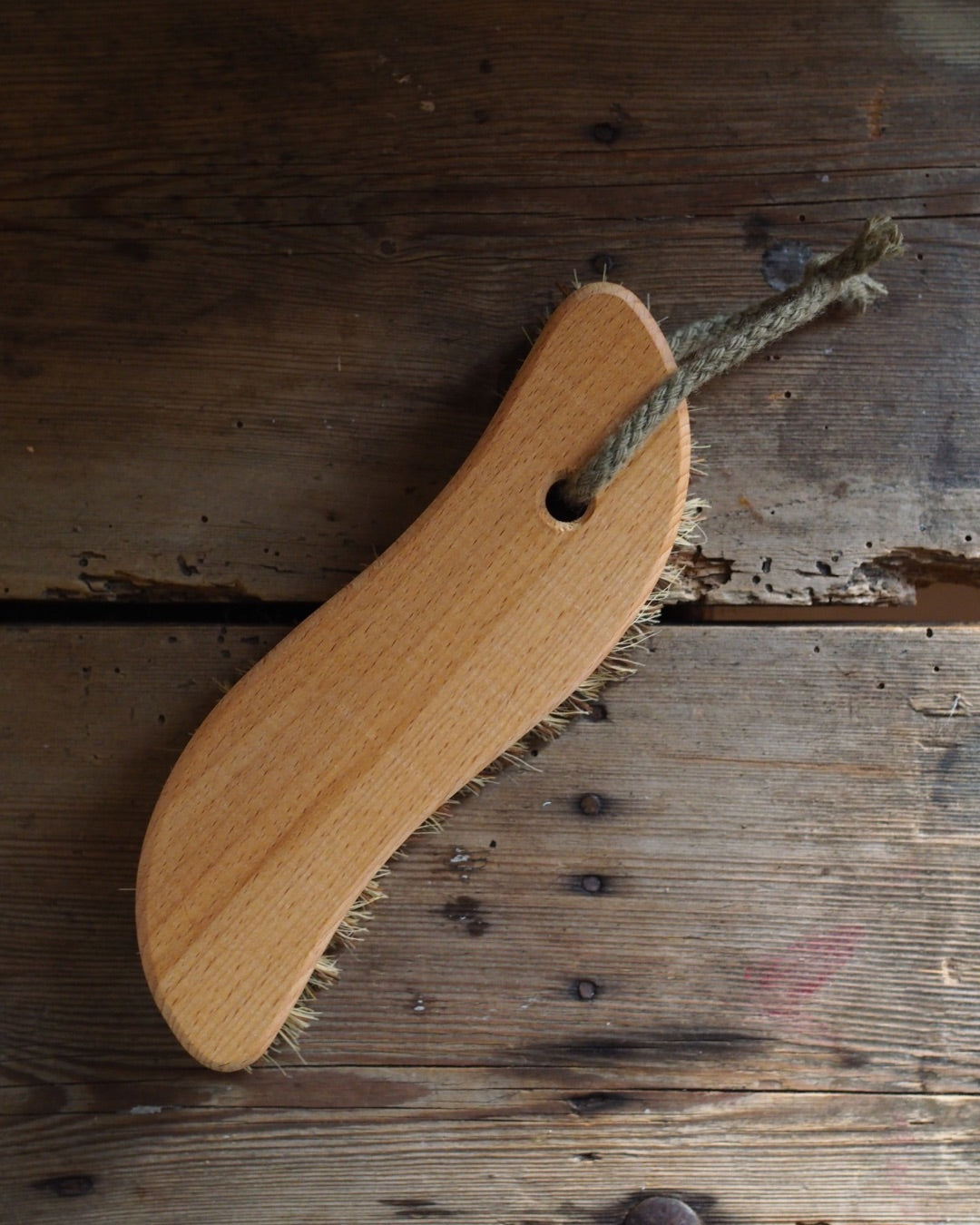
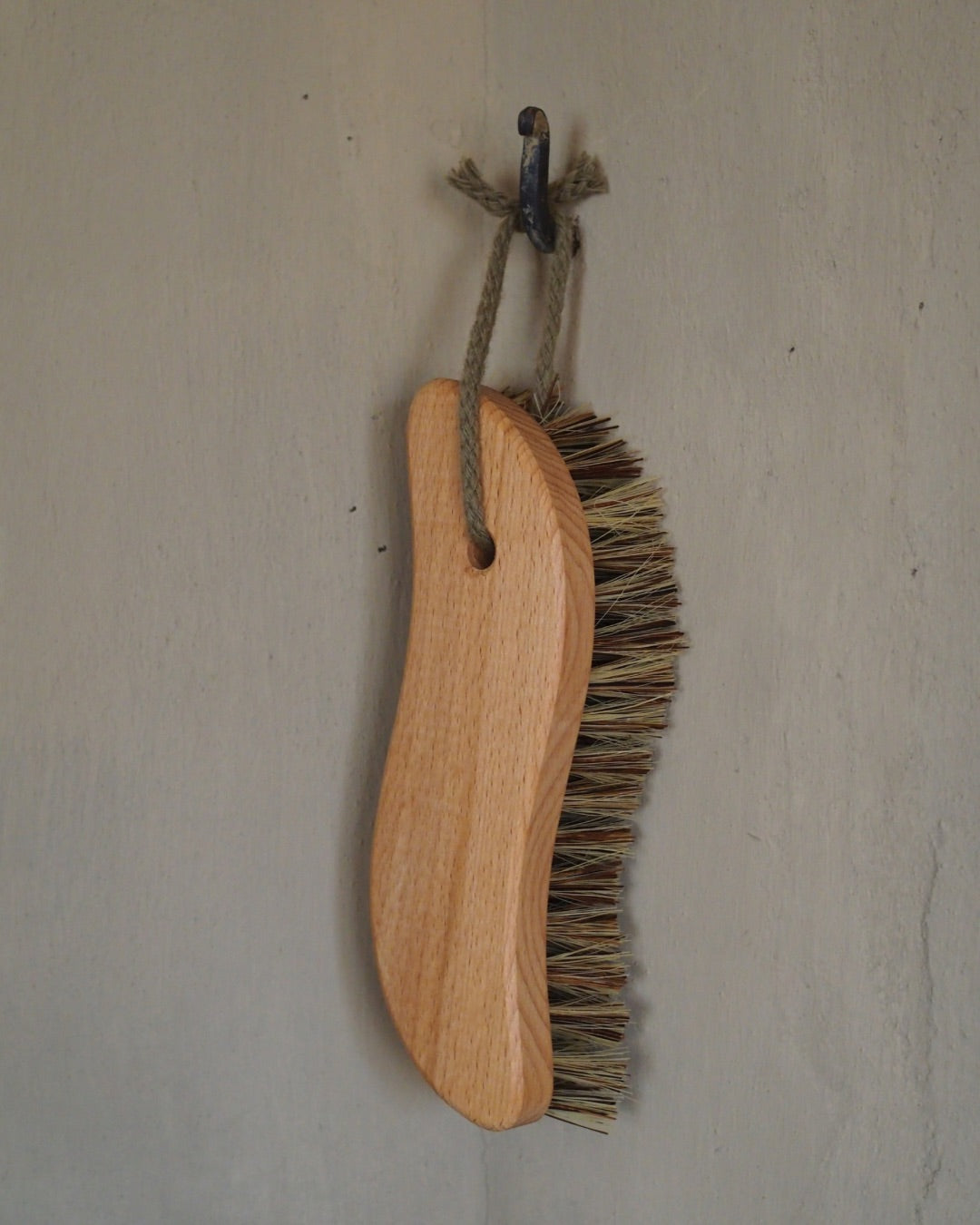
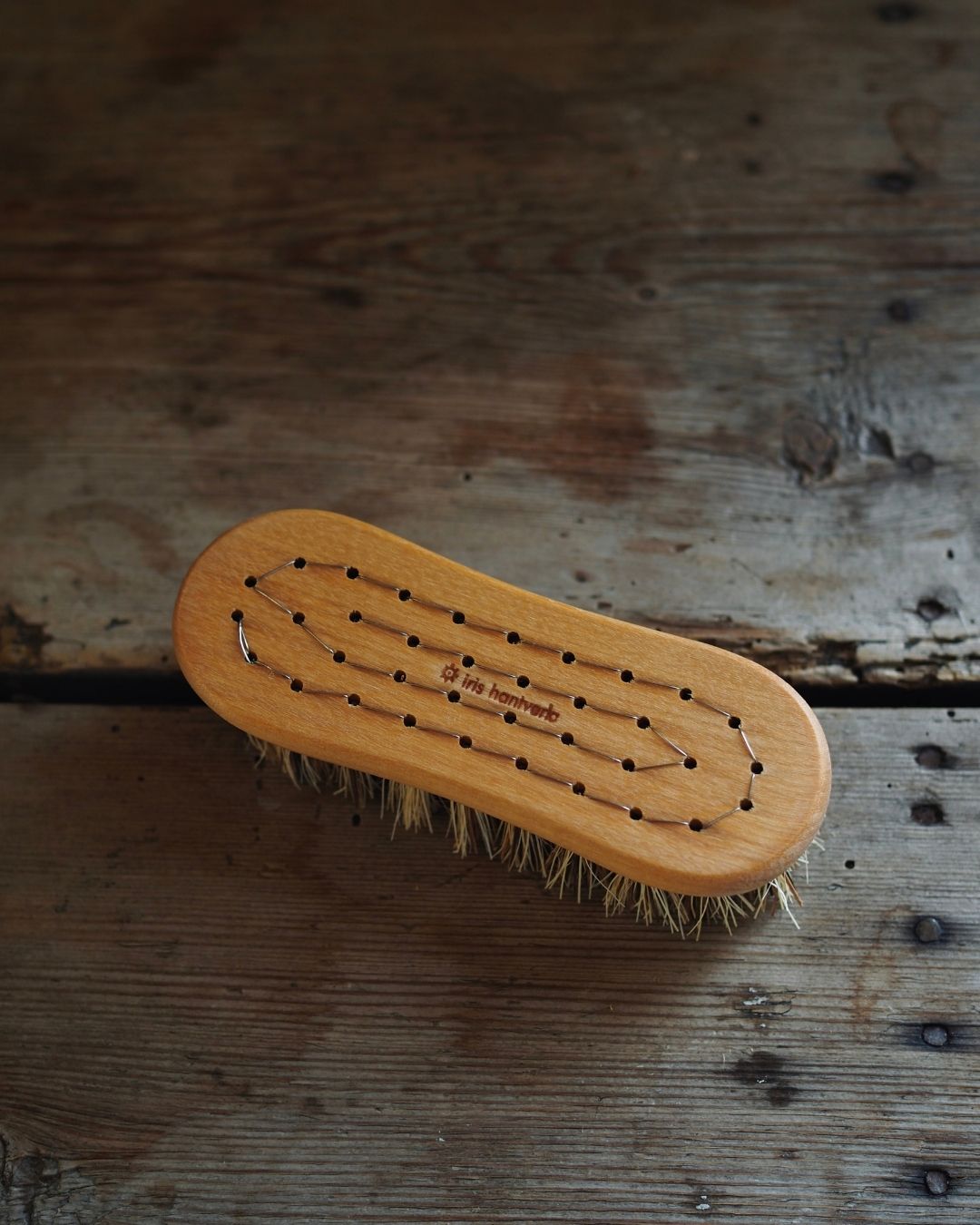
- Spot-treating rugs or upholstery: Dilute soap in warm water, apply with a soft brush or cloth, and blot until clean.
- Machine washing: Add a small amount directly to the detergent compartment. Ideal for everyday cotton, linen, and mixed fabrics.
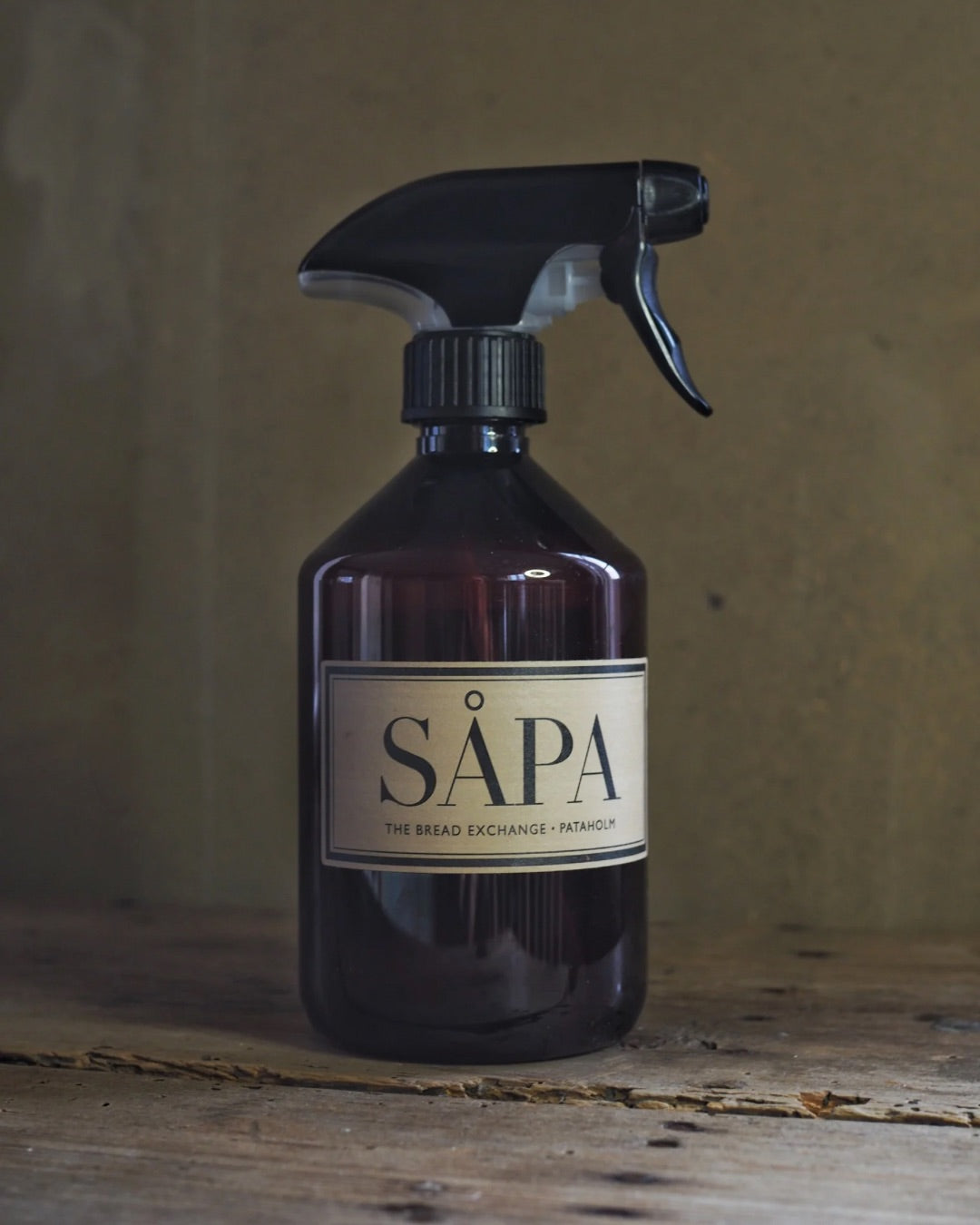
- Refreshing textiles between washes: A mild såpa spray solution lifts odors and surface dirt on cushions, blankets, and coats.
Because linseed soap is naturally conditioning, your textiles stay soft without needing fabric softeners or additional products.

Why Soap, Not Synthetic Detergents
Conventional detergents work fast, but they often rely on enzymes, optical brighteners, and synthetic surfactants that can be harsh on natural fibers and the environment. These ingredients break down proteins (like wool), wear out delicate fabrics, and leave residues that can irritate skin.
Linseedoil soap is simpler - and kinder.
It cleans effectively, rinses readily, and biodegrades easily. No perfumes, no preservatives, no unnecessary chemistry.
If you want to read further into this I have a nerdy blog post on the matter: Why såpa works on Natural fibers like wool.
Why PATA Såpa
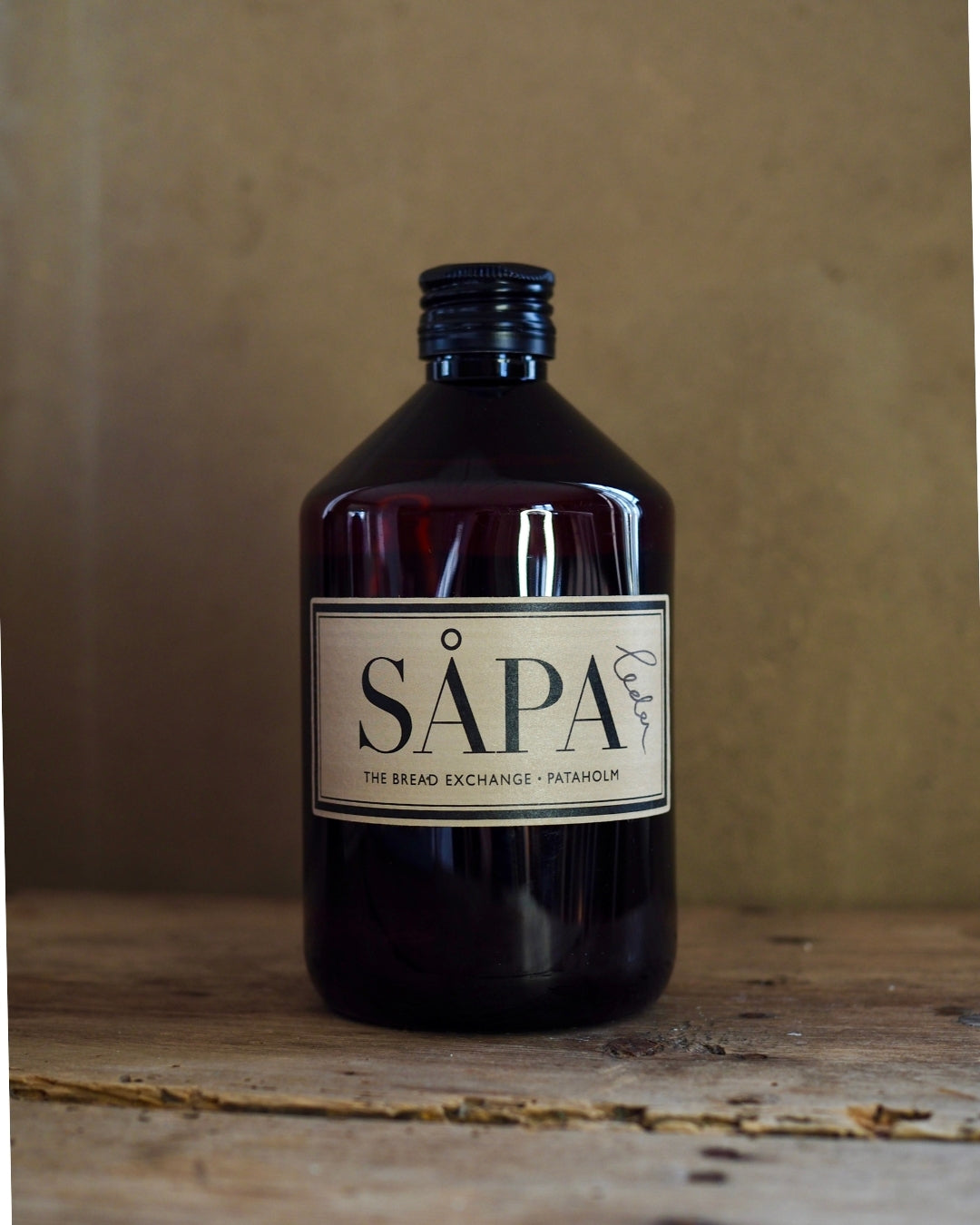
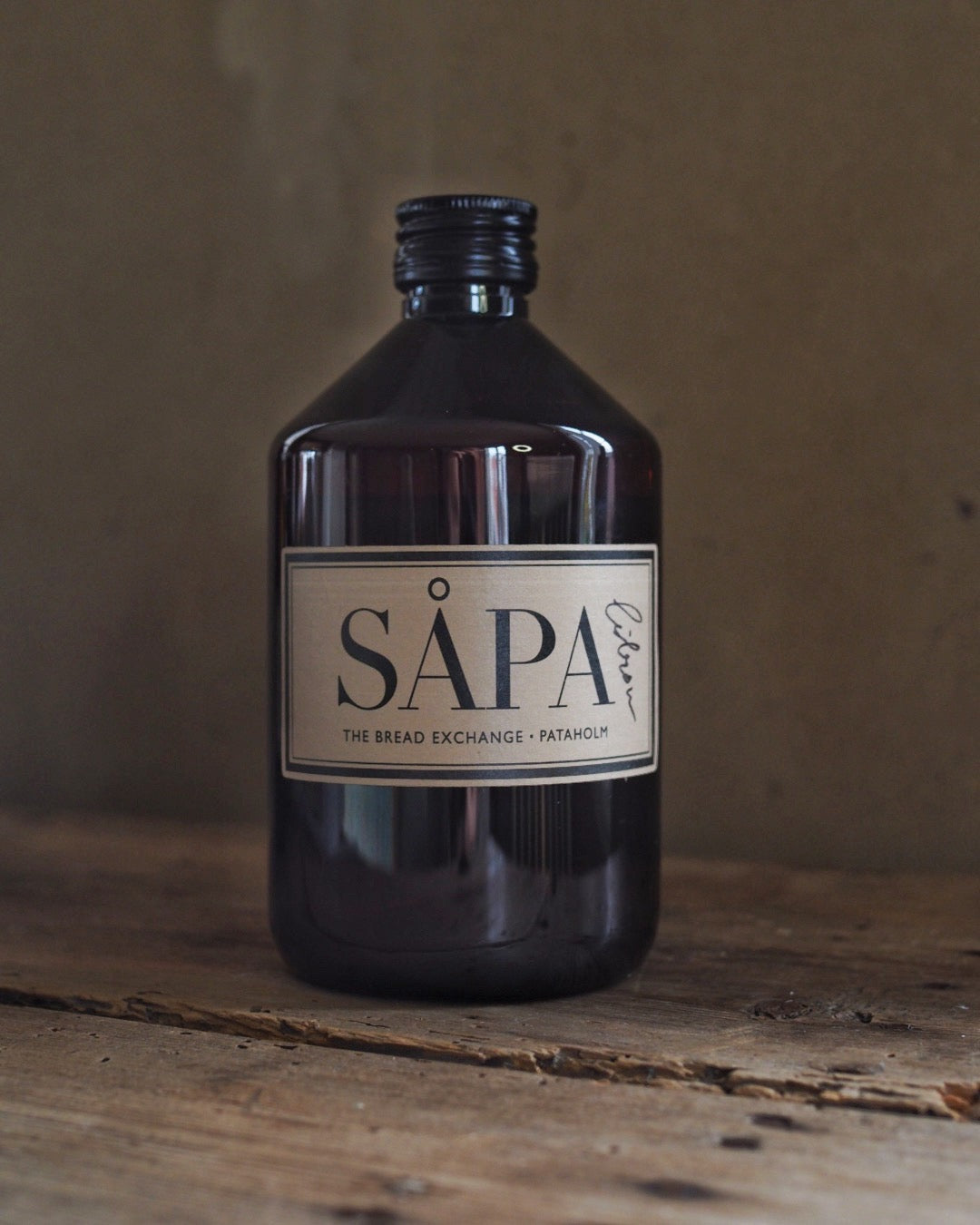
PATA såpa is made with 35–45% linseed oil concentrate, giving it a richness and fiber-friendly fat profile that lighter soaps simply can’t match. A small amount goes a long way, making it both gentle and powerful - ideal for textiles that matter to you.
It’s a cleaner that supports the long life of your clothes, rugs, and fabrics, while keeping your home free from unnecessary chemicals. Thoughtfully made in Sweden using ingredients that work for you, your textiles, and our nature.
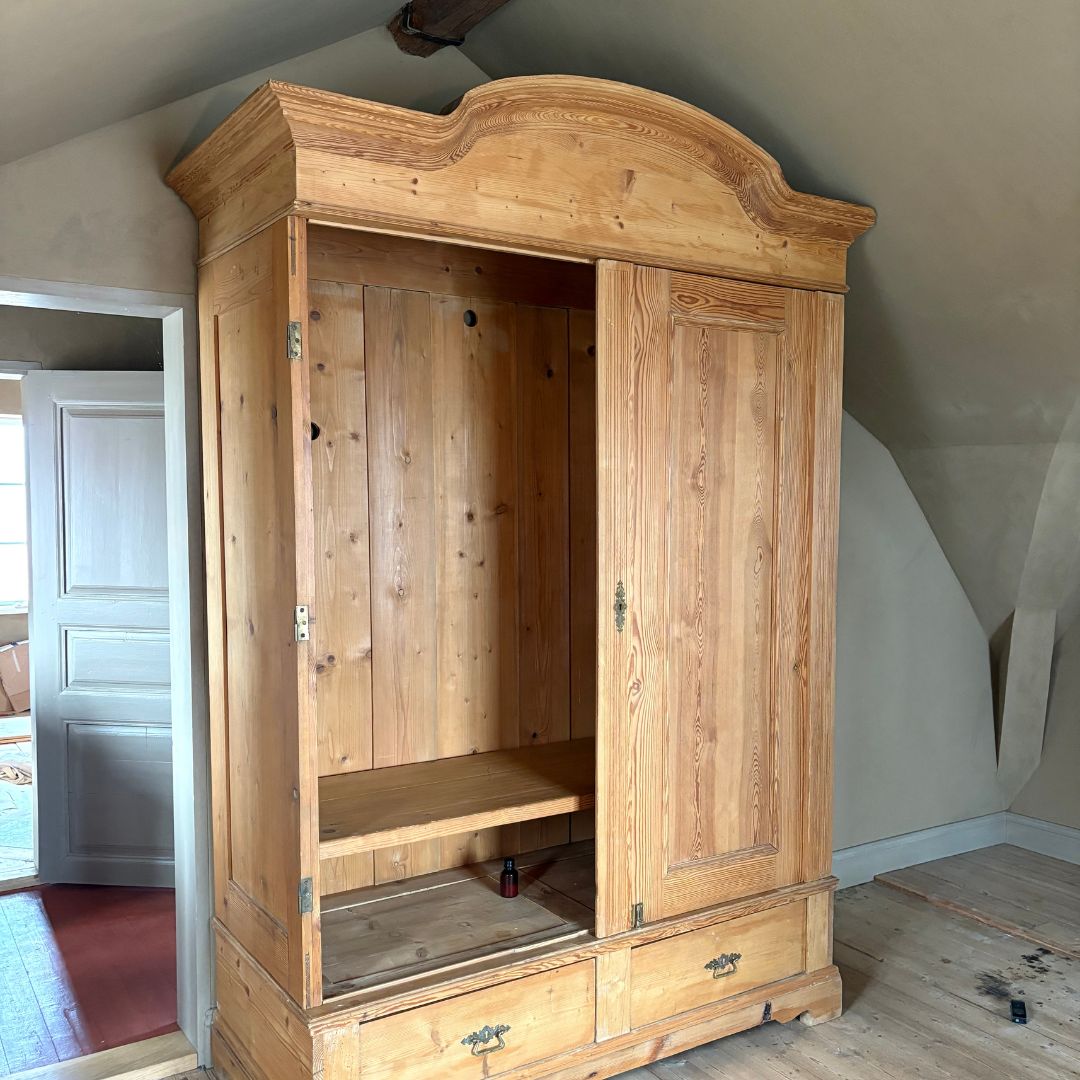
Cedar Såpa for Wardrobes
The Red Cedar Såpa Spray is a gentle way to clean wood surfaces in wardrobes and cabinets, leaving a subtle cedar scent while supporting the longevity of your furniture. I developed it after noticing how wool producers use red cedar to care for wool and protect it from moths and silverfish. While it’s not a guarantee against moths, it’s a practical and pleasant way to maintain your storage spaces.
You find our pre-mixed Cedar Såpa Spray here. You find our Cedar Såpa Concentrate here (use it to mix your own såpa spray). 500ml Såpa Concentrate is enough to make 10 bottles såpa spray.
Great care takers for your textiles