Find Your Soap
Our aim is to create soaps that are gentle, nourishing, and made to care for your skin naturally. Choosing the right soap starts with understanding your skin’s needs and the oils that go into the bar.

Two Types of Soaps: Traditionals & Salt Bars
I’ve divided my soaps into two categories: Traditional Soaps and Salt Bars.
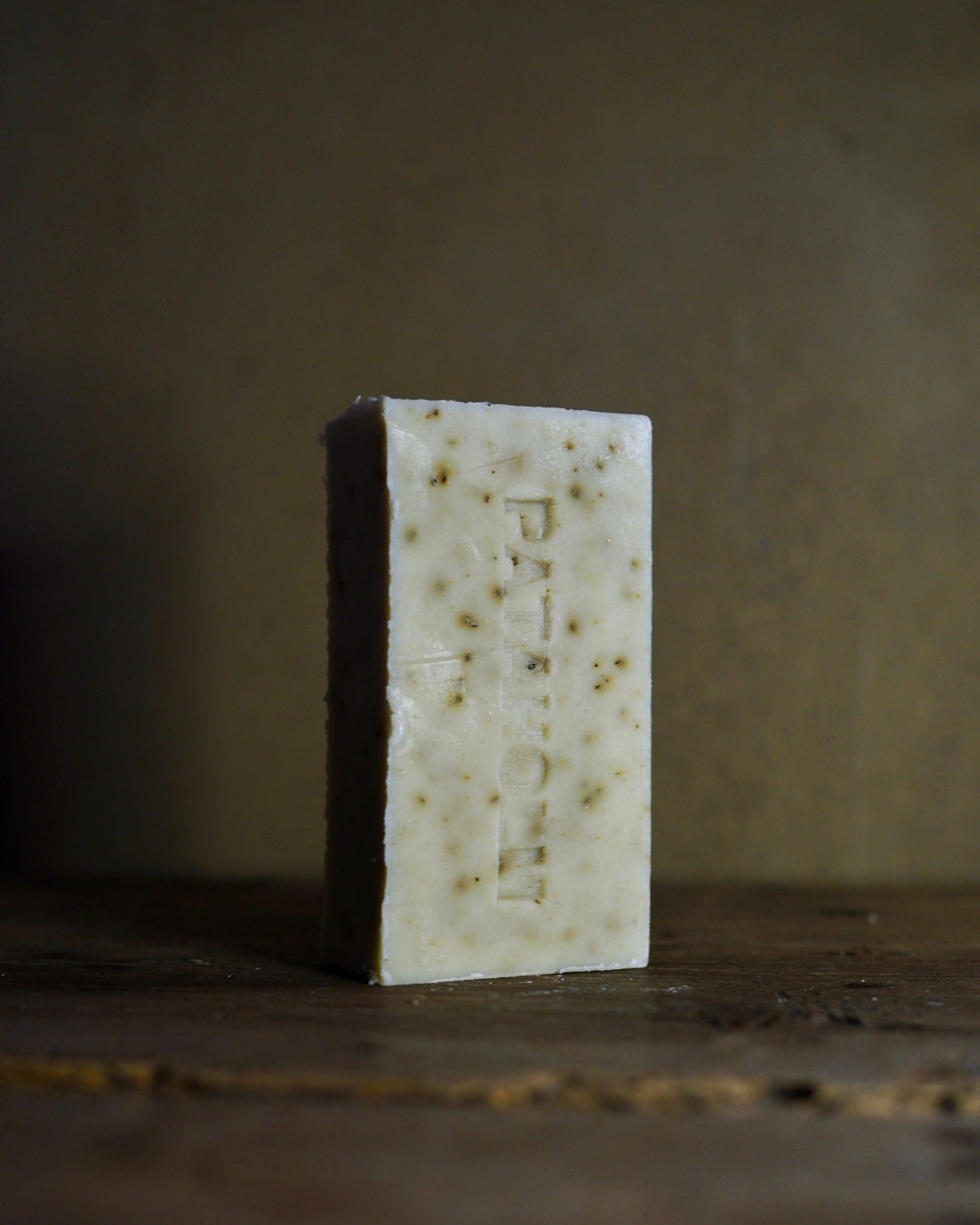
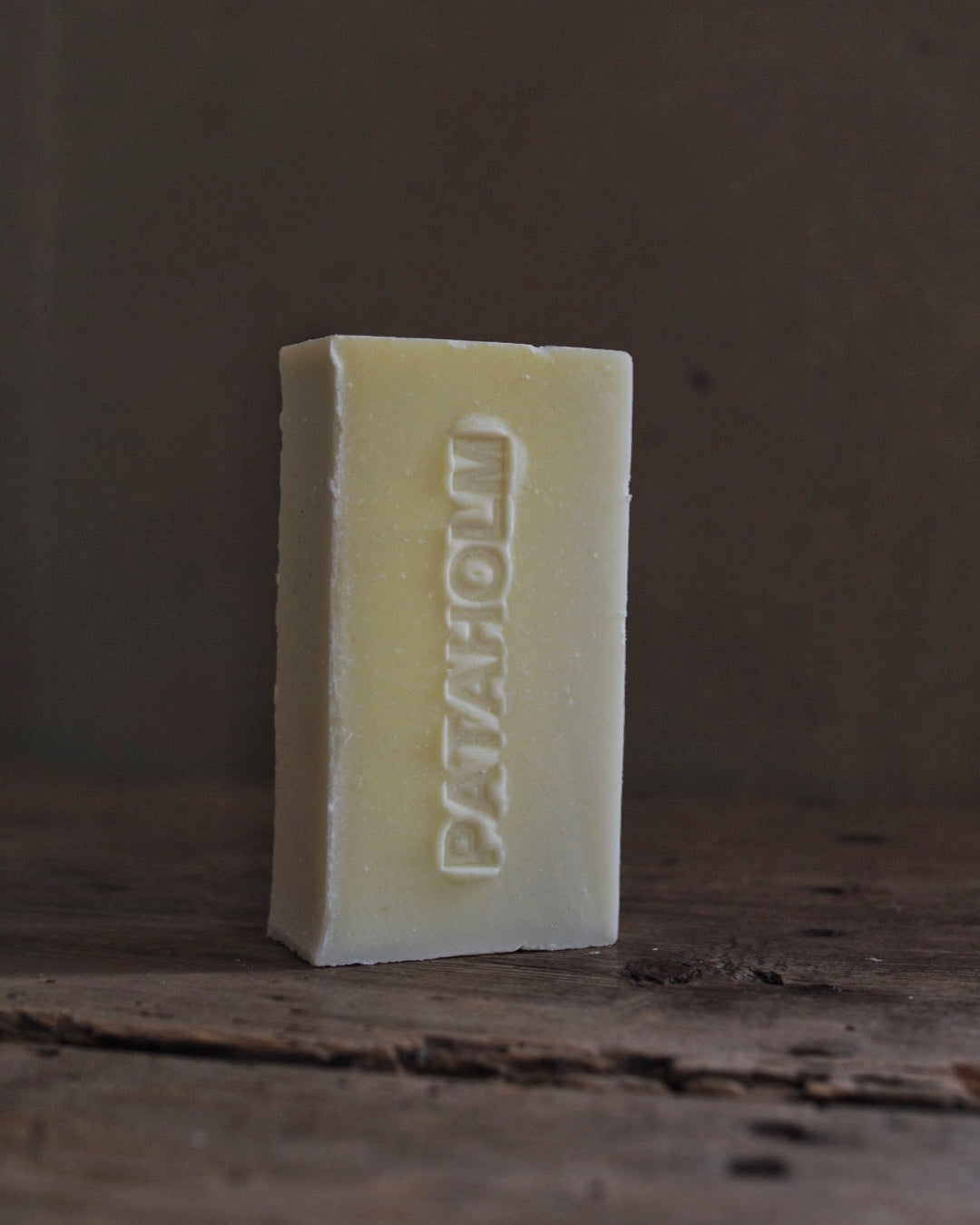
Salt Bars are ideal if you want a vegan product. They are made with organic coconut oil, extra virgin olive oil, and castor oil, providing a gentle, hydrating wash that leaves skin soft without animal fats.
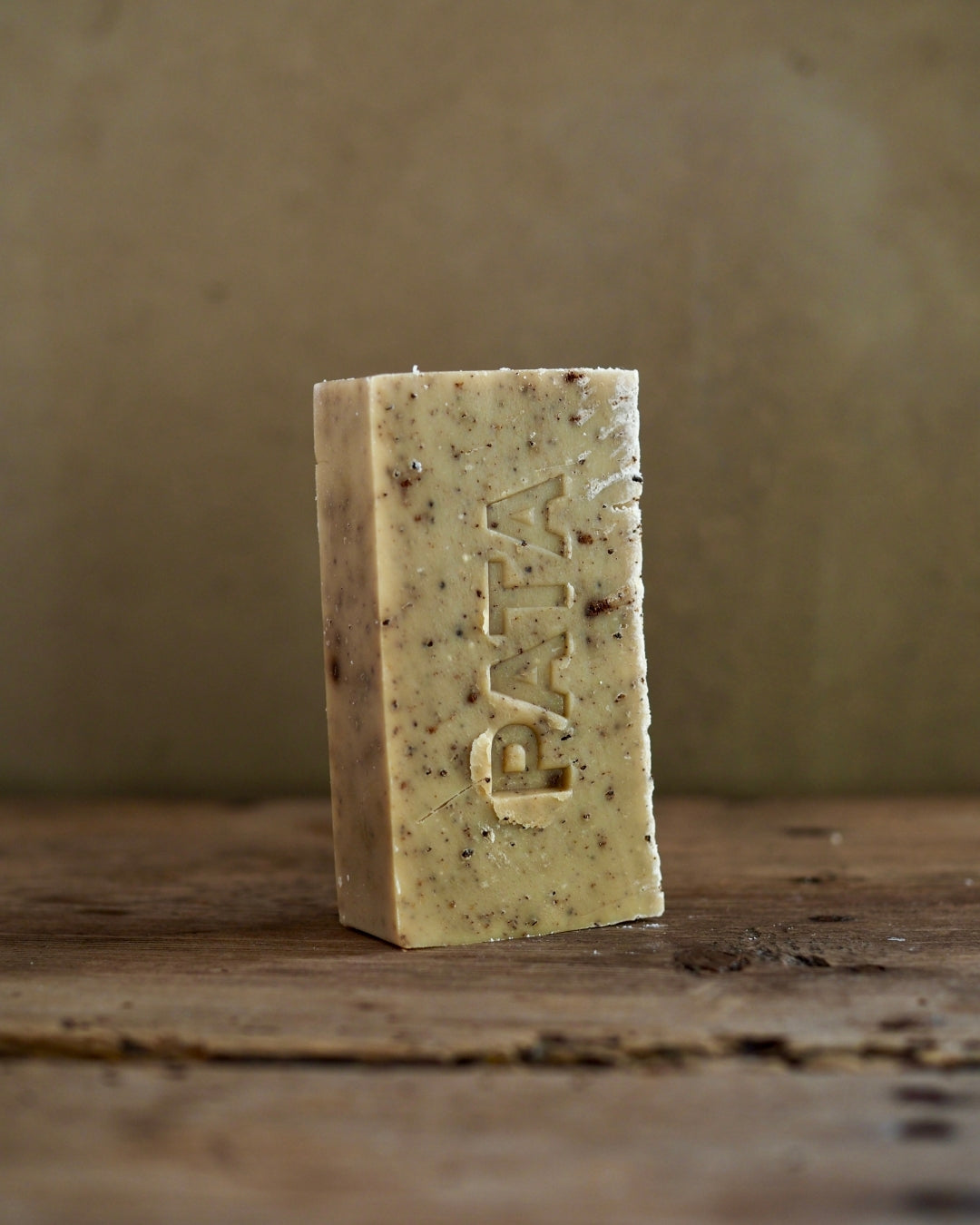
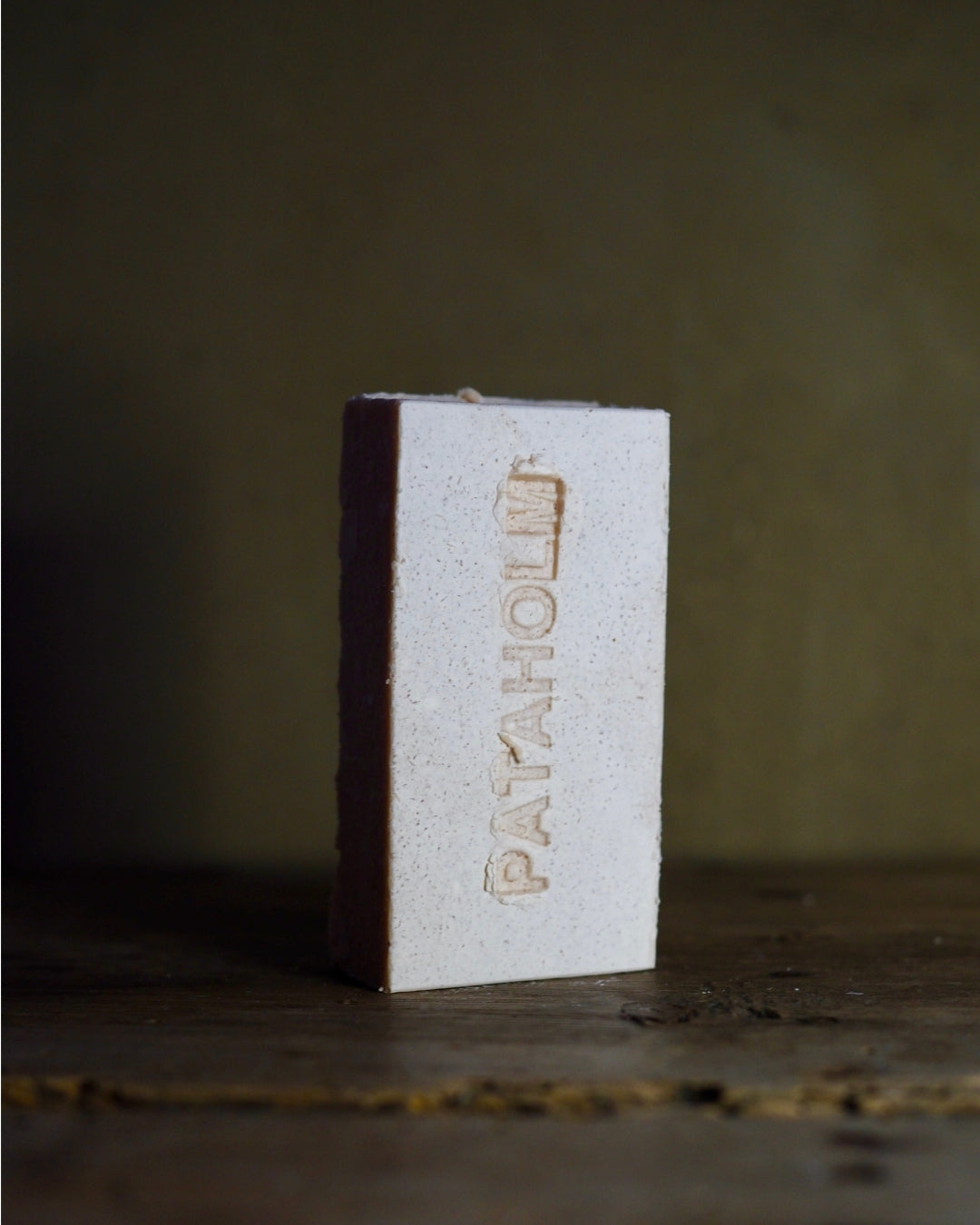
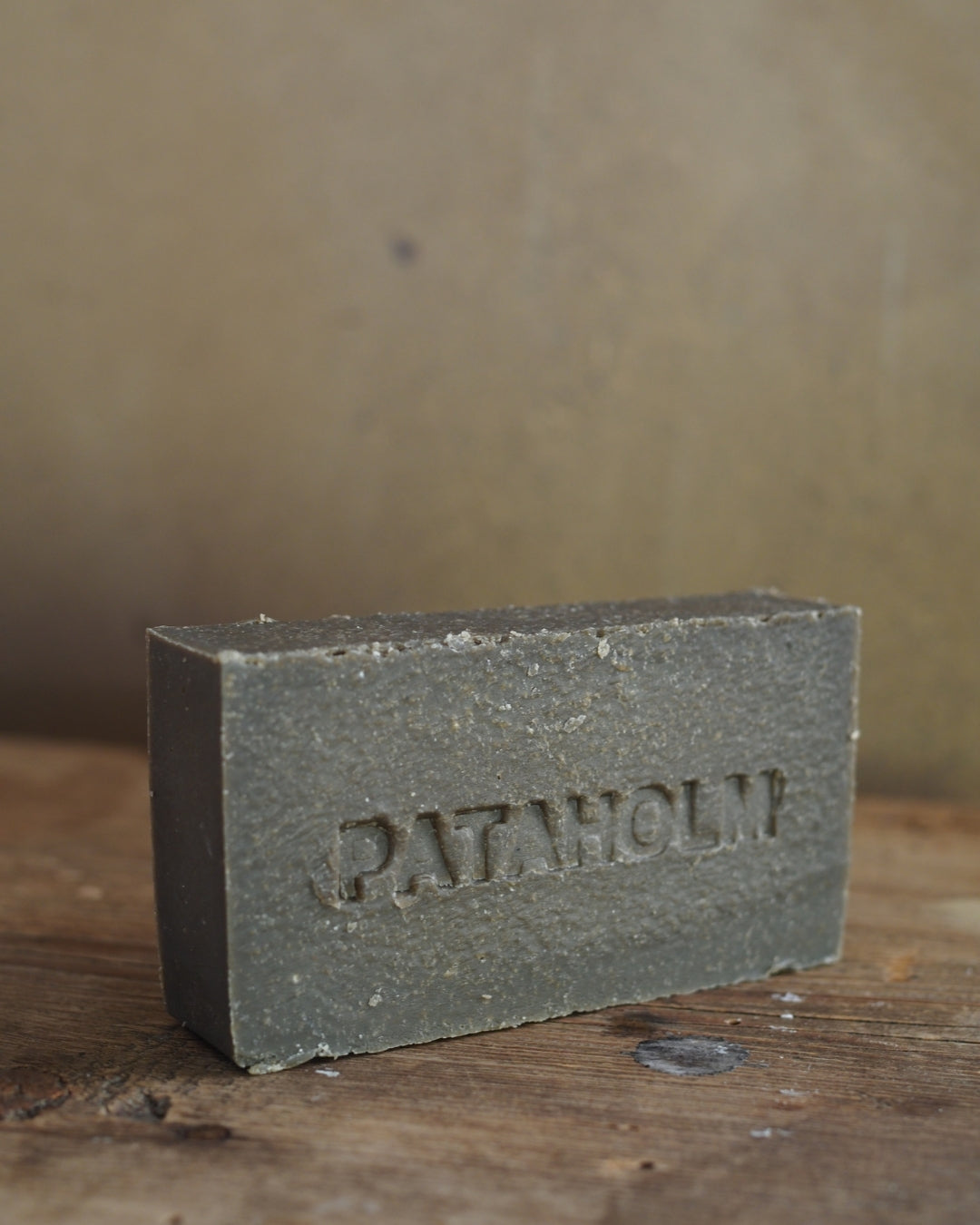
Traditional Soaps are my personal favorite. This is how it all started: I wanted to make a nourishing soap for my dry skin and turned to the traditional methods and ingredients used in the Nordics.
These soaps are made with lard and high-quality extra virgin olive oil, creating a rich, creamy bar that nourishes and cares for even the driest skin.

Why Lard?
Lard is one of the oils closest in composition to human skin fatty acids. My experience is that it helps prevent dryness, particularly in winter (my skin tend to get really dry then). The lard I use comes from grass-fed, free-range pigs, resulting in higher levels of Omega-3 fatty acids and vitamins, which is meant to add extra care for your skin.
Why Olive Oil?
The olive oil in my soaps comes from a high-polyphenol farm in Puglia, Italy. Its antioxidants help protect your skin while also extending the shelf life of the soap - naturally, without additives.
Why Castor and Coconut Oils?
Castor oil binds moisture to the skin, with the aim to keep it soft and hydrated, while coconut oil adds gentle cleansing properties and a rich, creamy lather. Coconut oil can be harsh on the skin for some of us, but my salt bars are cured for at least six months to make them extra gentle.
Which Soap is Right for You?
- Vegan: Choose the Salt Bar.
- Dry skin / extra care: Choose a Traditional Soap with lard and olive oil.
Most of my soaps are not vegan, but all are made with food-grade, natural ingredients, and crafted to nourish your skin with each wash.

Squeaky feel
The impact of water
Soap behaves differently depending on the water quality. In soft water, it often feels creamier and smoother, while hard water can create a clean but slightly ‘squeaky’ feel. This sensory difference comes from the minerals in the water.
Hard water doesn’t dry out the skin in a biological sense - it doesn’t disrupt moisture levels or the skin barrier. But it can make the skin feel drier. Minerals like calcium and magnesium react with soap and can leave a very thin mineral–soap film on the surface of the skin. This film can make the skin feel matte, squeaky, or less smooth, which is why some people experience their skin as ‘drier’ in hard water. It’s a sensory effect, not an actual loss of moisture.
Great care takers for the skin