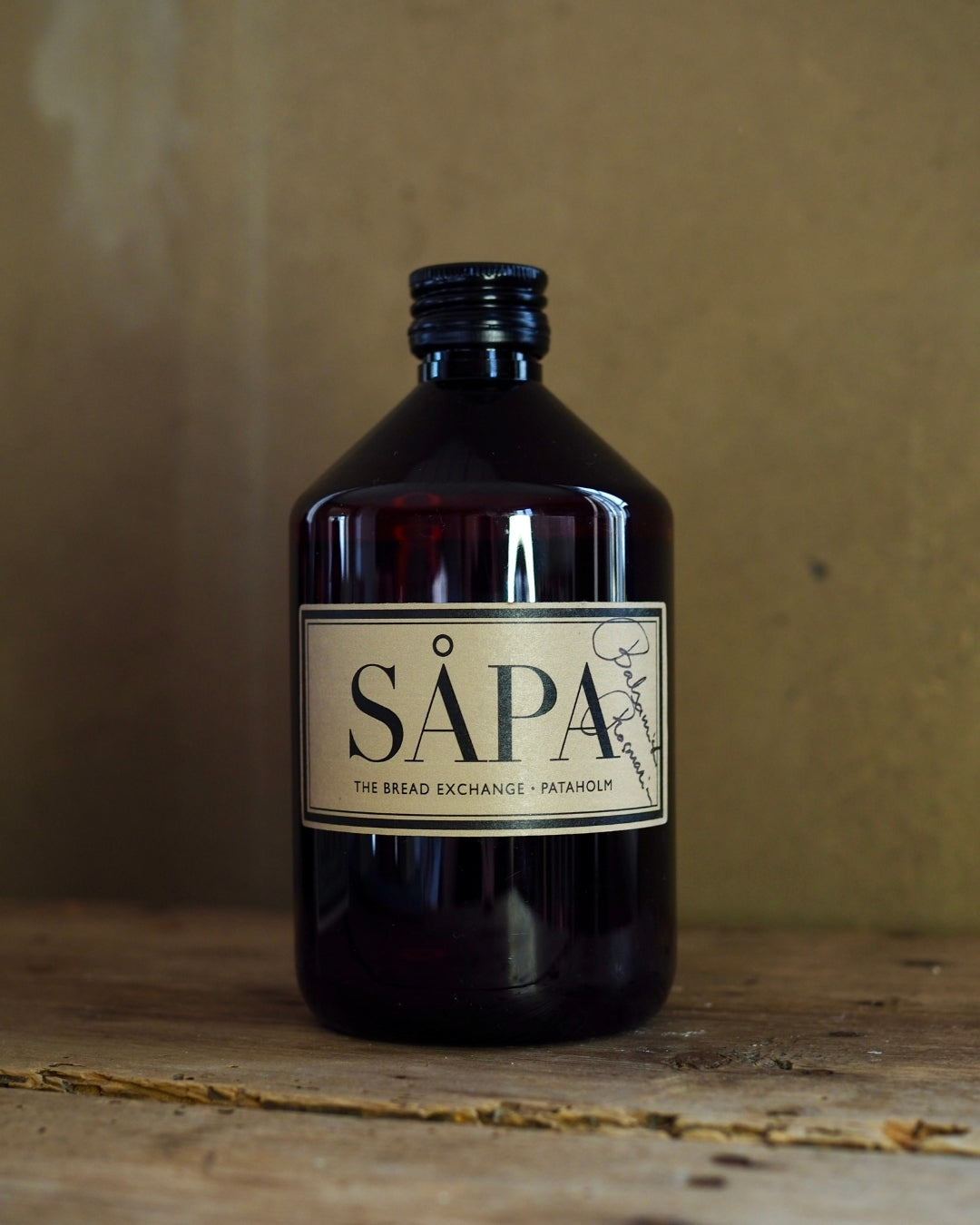
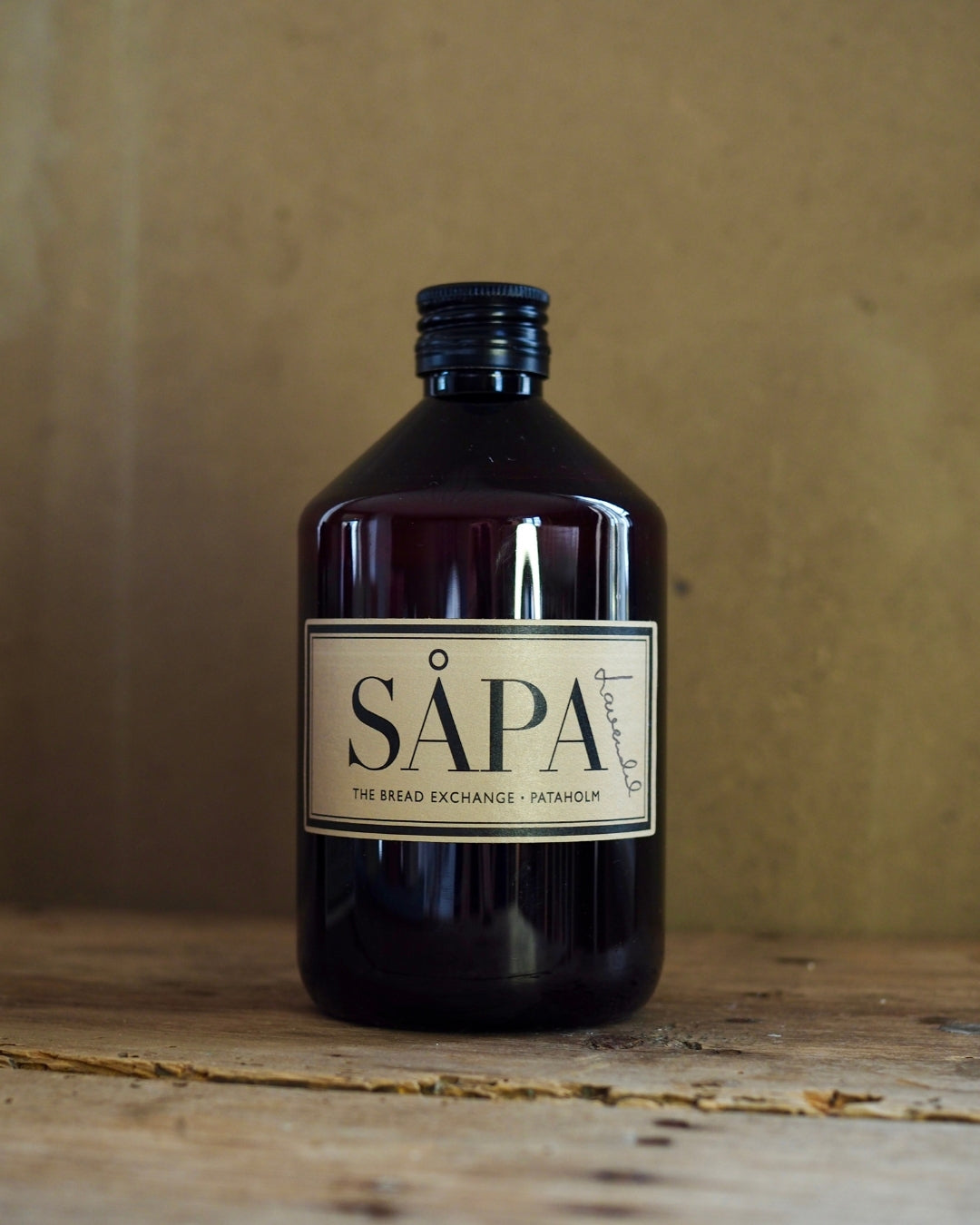
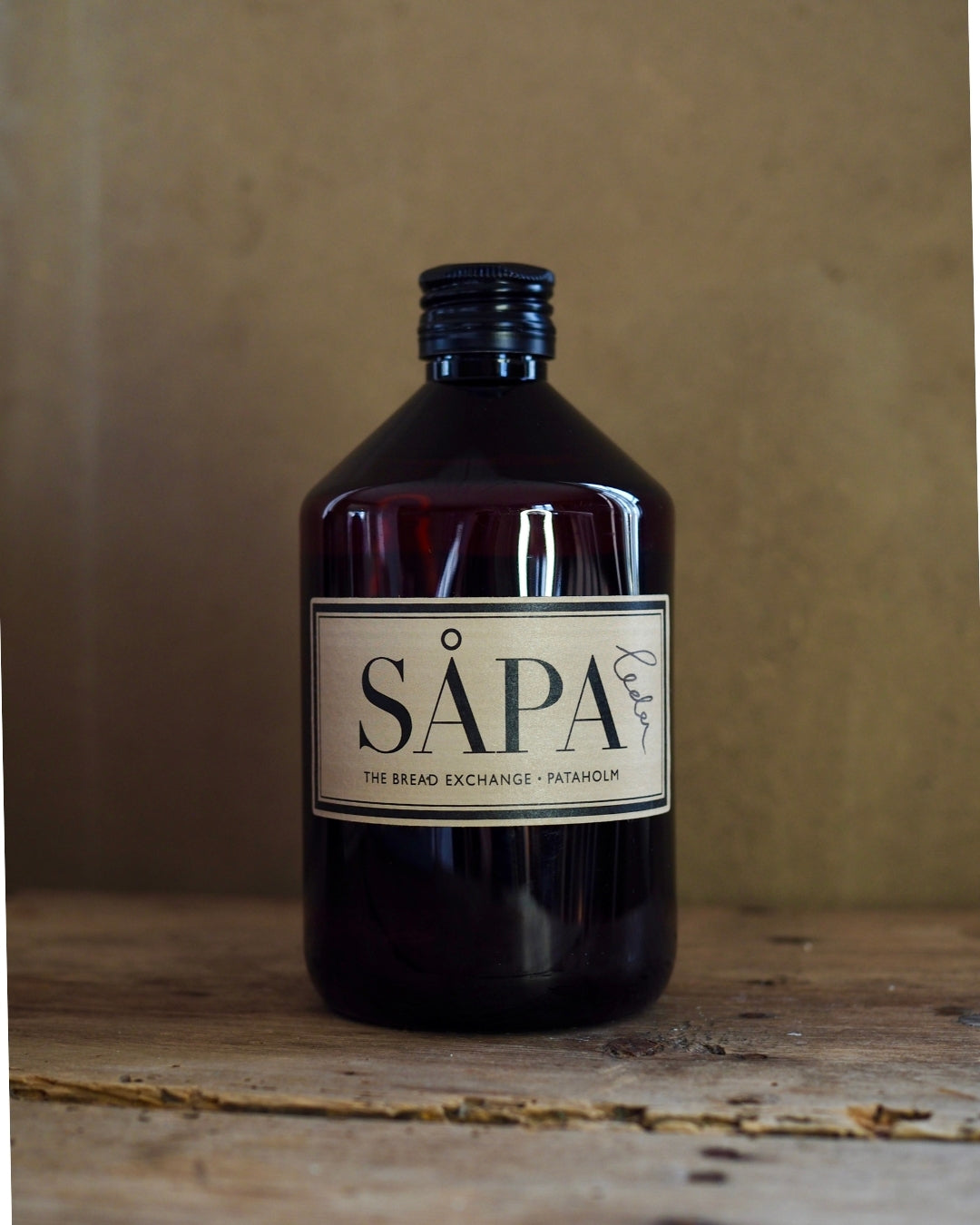
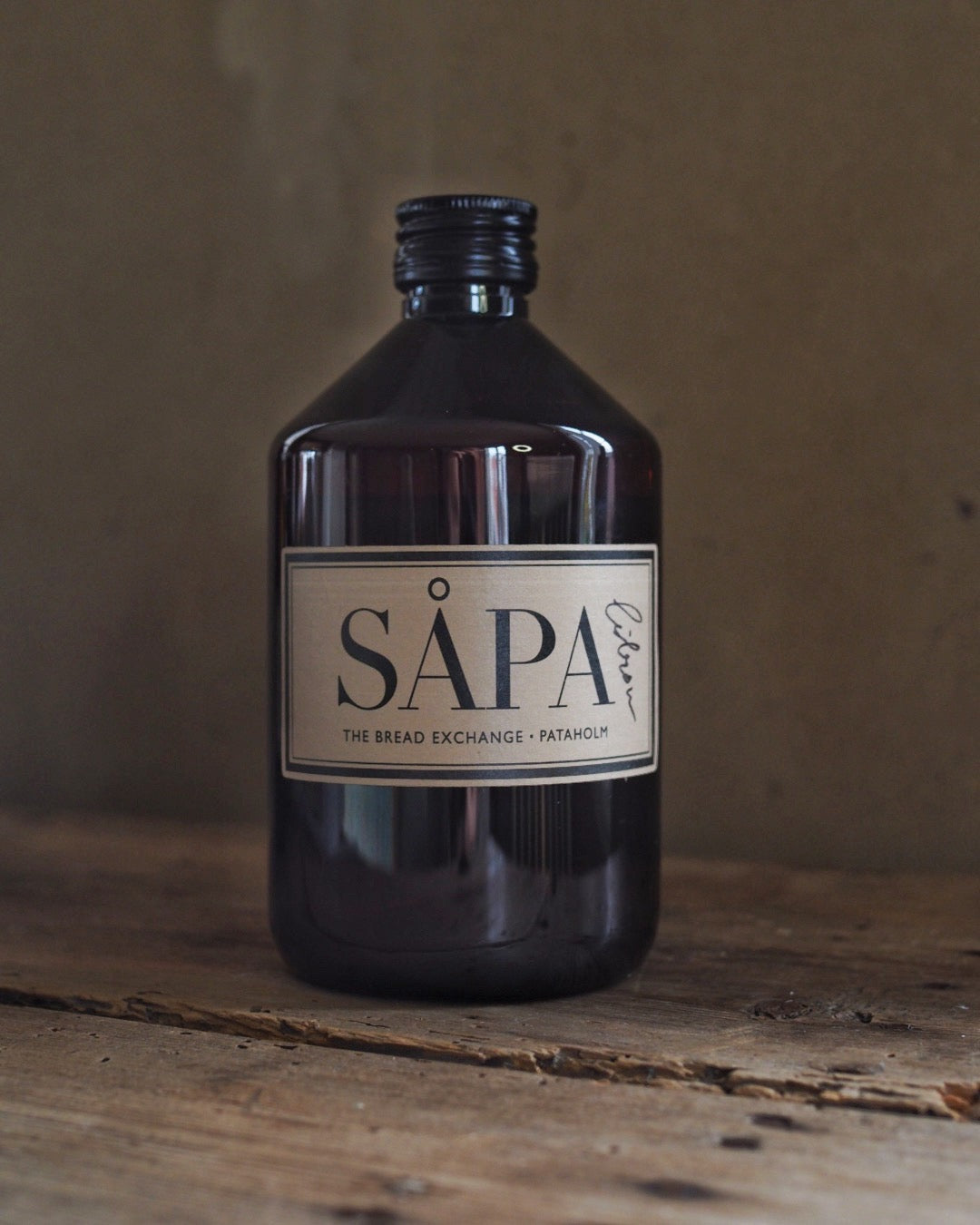
All kitchen images by Matthew Gormly, for Gaggenau

Natural cleaning 2.0
How to use Linseed Oil Soap in the Kitchen
Linseed oil soap is a gentle yet powerful cleaner - perfect for maintaining a healthy kitchen environment while protecting natural materials. It cleans, nourishes, and leaves behind a subtle, natural finish without harsh chemicals.
Natural, biodegradable, and caring - linseed oil soap replaces dozens of other cleaners in your home while being kind to both your hands and our environment.

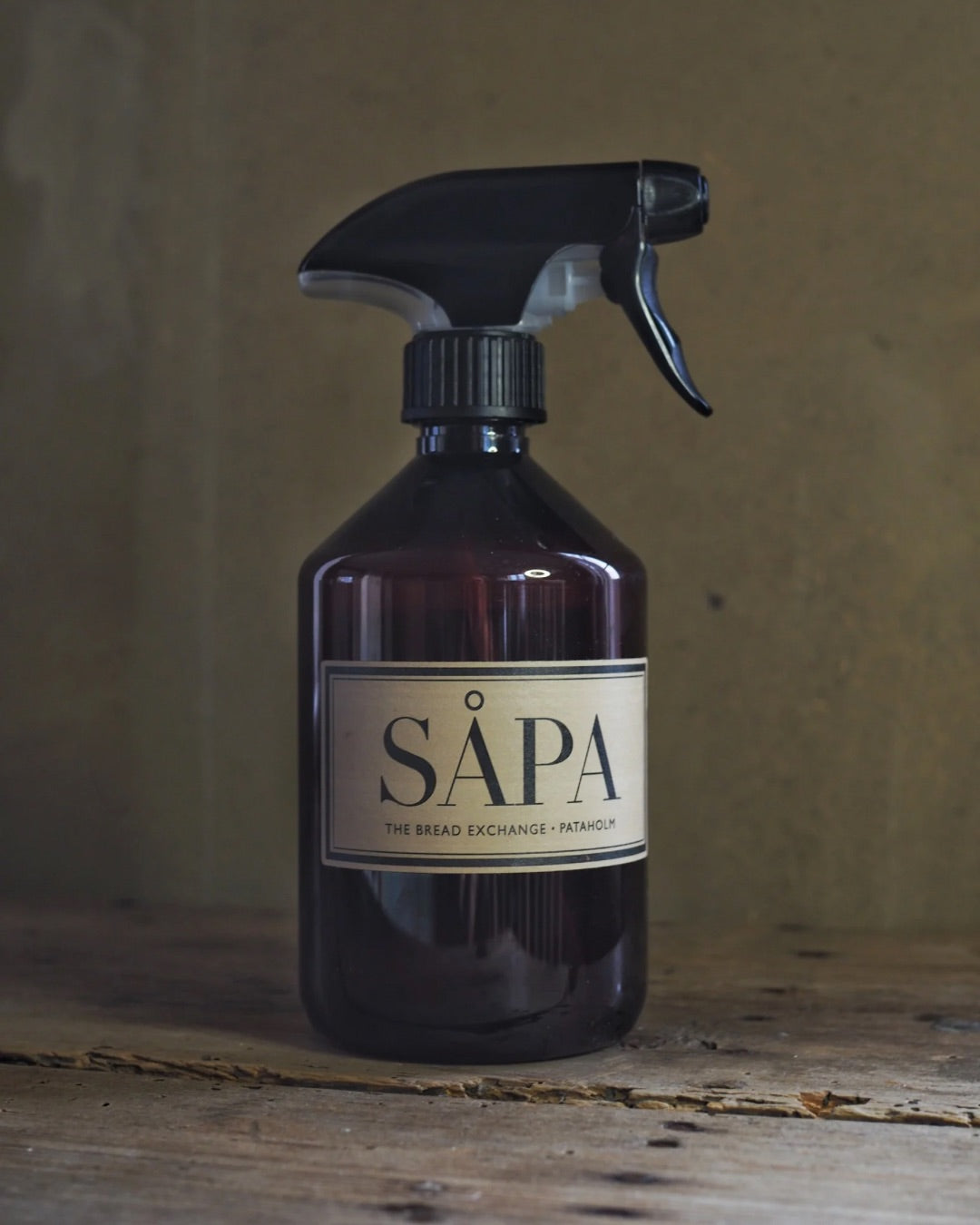
Såpa Spray
Our Såpa spray is ideal for quick clean-ups and daily care.
Use on: kitchen counters, tables, cabinet doors, tiles, sinks, and stove surfaces.
How to use: Simply spray directly on the surface and wipe with a damp cloth. For greasy spots, let it sit for a few seconds before wiping.
Result: A clean, nourished surface with a light natural shine.
Make your own Såpa Spray: Mix 2 Tbsp Såpa concentrate and water in a 500ml spray bottle. Shake well.

Tips for Best Results
Shake the spray bottle gently before use - the natural ingredients may separate over time.
Avoid using harsh scrubbers; the soap itself will lift most dirt and grease.
Såpa is in Sweden the recommended cleaner for natural stone surfaces* like Lime stone and Marble. Our såpa will not leave any oil surface since it does not contain leftover oils. Instead the natural acids noureshes and protects natural materials, helping them stay beautiful longer.
Always test on an hidden area.
* More info at Swedish Stone Industry Organisation (Swedish)

For more intensive cleaning or periodic maintenance, use the concentrated linseed soap diluted with water.
Floors & large surfaces: Mix about 1–2 tablespoons of soap per 5 liters of warm water. Mop or wipe with a soft cloth. No rinsing required.
Grease build-up or old residue: Use a stronger mix (1 part soap to 10 parts water) and let it sit briefly before wiping clean. Here the soap spray will come in handy.
Wooden cutting boards or untreated wood surfaces: Wipe with a mild mix of linseed soap and warm water, then dry thoroughly. The soap gently cleans while nourishing the wood.

What cleaner for the Kitchen?
Unscented SÅpa
An unscented cleaner is always the best choice for the kitchen. Why? Because you don’t want to mask the smell of bacteria. Take your cutting board, for example: it’s a high-risk area for bacterial growth, and if something smells off, you want to notice it—not hide it behind added fragrances.
The same goes for doing the dishes. I prefer a cleaner with no extra scents or colouring there either. That’s why I personally choose an unscented cleaner for my kitchen.
You can find it here: Unscented Linseed oil Såpa.
Great cleaner for the Kitchen